Empowering Women Through Vocational Training and Skill Development
Women are the pillars of families, society, and economies. However, millions of women and girls in India are still denied education, employment, and skill development opportunities. Real progress cannot be made unless women are provided with the necessary tools, confidence, and knowledge to lead independent and dignified lives. At CARE India Welfare Trust, we strongly believe that women's empowerment is not an act of charity but an investment in sustainable development.
One of the most successful strategies to bring about lasting change is to emphasise women's empowerment in education and skill development. By providing women with quality education and skill development training, women are better equipped to take part in economic activities, make informed decisions, and contribute significantly to society. This strategy is in complete sync with the overall vision ofwomen in development, where women are not mere recipients but change-makers.
This blog post will discuss the importance of vocational training and skill development in the overall process of improving women and girls' education in India, improving livelihoods, and advancing the overall national mission of the National Skill Development Mission.
The Importance of Women's Empowerment in Education
Education is the key to empowerment. Women's empowerment through education is more than just literacy; it encompasses knowledge, life skills, skills for livelihood, and leadership skills. Educated women are more likely to send their children to school, access healthcare facilities, and participate in the economy.
However, gender disparities in education persist, particularly in rural and disadvantaged areas. Girls are often forced to discontinue their education due to a lack of awareness or economic conditions. The need to promote girls' education in India cannot be overstated in this context. CARE India Welfare Trust operates at the grassroots level to ensure that girls not only attend school but also have opportunities for further education through skill-based education.
By integrating education with skills, women are empowered with the ability to earn a livelihood. This approach empowerswomen in development by helping women shift from a state of dependency to self-reliance.
Understanding Women in Development
The idea of women in development is based on the integration of women into economic, social, and political spheres. Development cannot be inclusive and sustainable if it leaves half of the population behind. Educating and equipping women with skills will ensure that they take an active role in determining their own destiny.
Vocational education is a major catalyst for women in development because it deals with employability, entrepreneurship, and earning. Women are empowered through training, and this change is not only at the individual level but also at the family and community levels.
CARE India Welfare Trust combineswomen's empowerment in education with community development programs to ensure that women take leadership roles, make decisions, and contribute to the economy of their communities.
The Role of Girls' Education in India
Girls' education in India remains one of the most critical challenges and opportunities for national development. Educated girls marry later, have healthier families, and are more likely to participate in the workforce. However, access to quality education remains uneven.
By promoting girls' education in India, NGOs like CARE India Welfare Trust create a strong foundation for lifelong learning. Education opens doors to vocational opportunities and aligns with national employment goals. Girls who complete basic education are more likely to enrol in vocational training programs, making education a pathway to economic empowerment.
Investing in girls' education in India is also a key step toward strengthening women in development, as educated girls grow into skilled, empowered women who uplift entire communities.
Vocational Training Programs: A Pathway to Independence
The vocational training programs are designed in such a way that they offer practical and job-oriented skills, keeping in mind the market requirements. These courses are highly beneficial for women who may not have access to higher education but have the potential to develop successful careers or businesses.
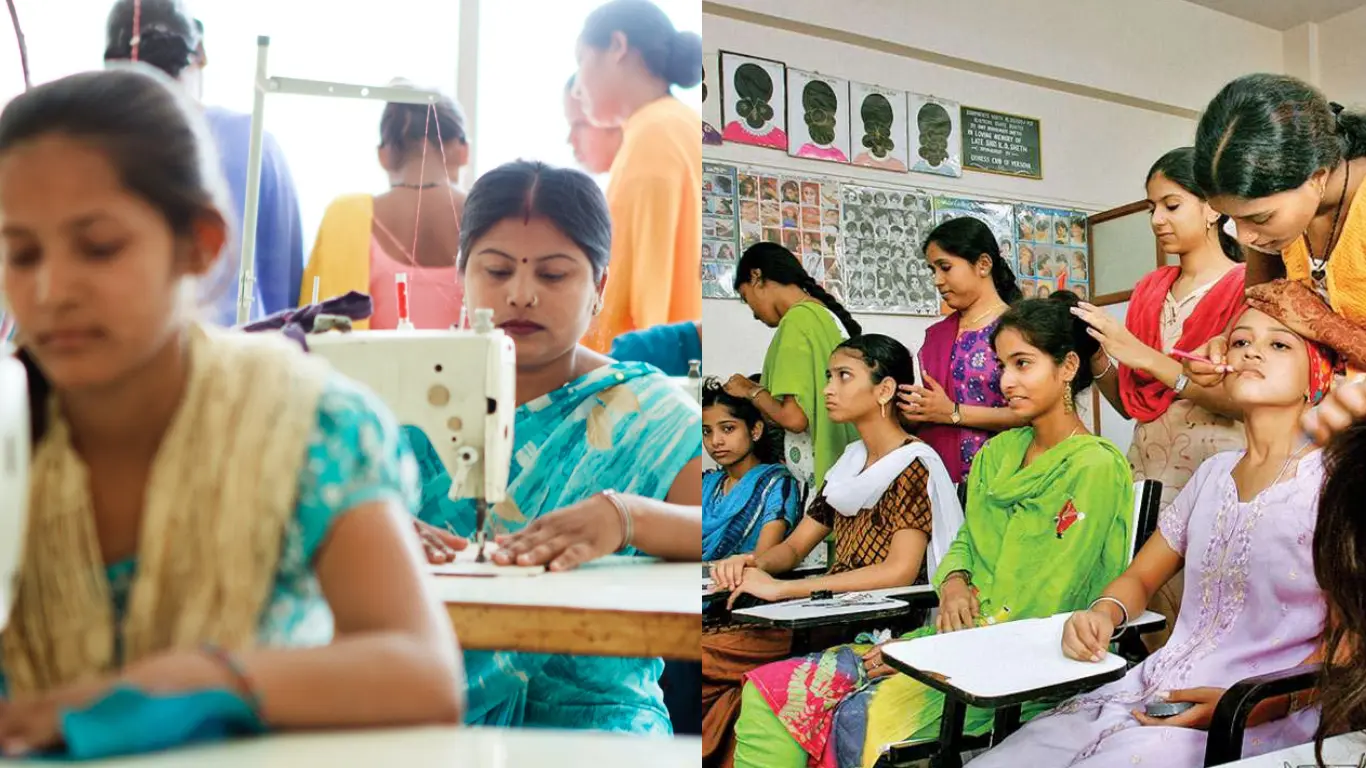
In the CARE India Welfare Trust, the vocational training programs include skills such as tailoring, computer literacy, digital marketing, beauty services, handicrafts, and financial literacy. These courses enable women to get employment or start small businesses, thus promoting self-employment and entrepreneurship.
Whenwomen's empowerment in education is combined with vocational training programs, women acquire knowledge and application skills. This makes women stronger in development and helps them develop economic resilience at the grassroots level.
Key Benefits of Vocational Training for Women
How Vocational Training Empowers Women :
- Improves job prospects with marketable skills
- Aids in economic independence and income earning
- Boosts confidence and leadership skills
- Assists in entrepreneurship and self-employment
- Improves economic development at the community level
All these impacts directly contribute to women's empowerment in education and further emphasise the role of vocational training programs in the development of the nation.
National Skill Development Mission and Women Empowerment
TheNational Skill Development Mission is an initiative by the Government of India to train millions of youth with employable skills. Women are an important target group for this mission, as they are the backbone of inclusive growth.
The CARE India Welfare Trust aligns its activities with the National Skill Development Mission by providing women with structured vocational training programs that are industry-standard. The Trust, through its partnerships and outreach programs, ensures that women from marginalised sections have access to skill development programs.
The National Skill Development Mission assists women in development by providing them with opportunities for employment, entrepreneurship, and lifelong learning. When combined with women's empowerment in education, the mission bridges the gap between education and employment.
CARE India Welfare Trust’s Approach to Women's Empowerment
TheNational Skill Development Mission is an initiative by the Government of India to train millions of youth with employable skills. Women are an important target group for this mission, as they are the backbone of inclusive growth.
The CARE India Welfare Trust aligns its activities with the National Skill Development Mission by providing women with structured vocational training programs that are industry-standard. The Trust, through its partnerships and outreach programs, ensures that women from marginalised sections have access to skill development programs.
The National Skill Development Mission assists women in development by providing them with opportunities for employment, entrepreneurship, and lifelong learning. When combined with women's empowerment in education, the mission bridges the gap between education and employment.
Women's Empowerment in Education and Economic Growth
Educated and skilled women are a major contributor to economic development. Women's empowerment in education translates to increased participation in the workforce, increased productivity, and a decrease in poverty levels. When women earn money, they reinvest in their families and communities, resulting in a multiplier effect.
Vocational training programs equip women with skills that are relevant to the local and national labour market. This is in line with the National Skill Development Mission, ensuring that training translates to actual job opportunities.
Through women development programs, CARE India Welfare Trust contributes to the development of an inclusive economy where women are the drivers of change, not the beneficiaries.
Strengthening Communities Through Skill Development
Women's empowerment brings strength to the whole community. Women with skills act as role models and role players. They motivate other women and girls to acquire education and skills, thus emphasising the importance of girls’ education in India.
Community-based skill development initiatives can help alleviate unemployment and migration, as well as encourage entrepreneurship. This is in line with the overall objectives of the National Skill Development Mission.
When women are educated and skilled, their communities become healthier and stronger.
The Future of Women in Development
The future of development is what we do with women in the coming years. Women in development is not an ideology; it is a need for social justice and economic development. We can bring about a change in society by giving importance to women's empowerment in education, girls' education in India, and increasing access to vocational training courses.
The National Skill Development Mission is a great initiative, but non-governmental organisations such as CARE India Welfare Trust are doing a great job of reaching out to the most marginalised women and girls.
Conclusion :
Equipping women with vocational training and skill development is one of the most effective means of constructing a just and equitable society. Education, skills, and opportunities are interlinked in furthering women's empowerment in education and building women in development.
CARE India Welfare Trust is dedicated to furthering girls' education in India, implementing effective vocational training programs, and supporting government initiatives such as the National Skill Development Mission. By investing in women, we invest in a better future for India.